
What Makes Broadway So Different From Any Other Theater Scene
There is no shortage of live theater in the world, but Broadway occupies a category entirely its own. The term officially refers to the 41 professional theaters clustered around Midtown Manhattan, each seating at least 500 people, most of them concentrated along the streets just off Times Square. The sheer production scale is the first thing that hits you — orchestras of 20 or more musicians, sets that cost millions to build, and casts that rehearse for months before a single ticket is sold.
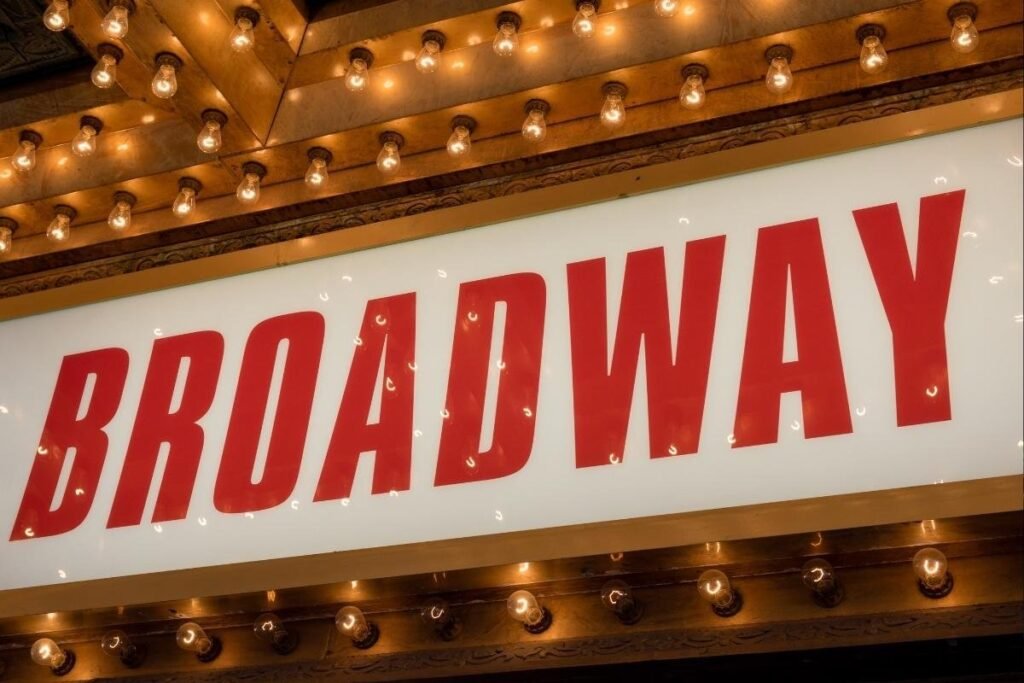
What separates a Broadway musical from a touring production or an off-Broadway show is not just the budget. It is the energy inside those old houses. Many of these theaters — the Majestic, the St. James, the Shubert — have been staging shows since the early 1900s. The architecture alone is worth the trip. Ornate plasterwork, steep balconies, and tight rows of red velvet seats create an intimacy that no arena concert can replicate. Even from the back of the mezzanine, you feel close to the action.
In 2026, the season is as strong as it has been in years. Long-running crowd favorites continue to draw sell-out houses night after night. Hamilton Musical On Broadway NYC Tickets remain among the most sought-after in the city, and for good reason — the show has lost none of its punch since opening, and the current cast brings fresh fire to every performance. Equally popular with families, Aladdin On Broadway NYC continues its remarkable run at the New Amsterdam Theatre, mixing spectacle with humor in a way that holds up for adults just as well as kids.
Practical Tips for Getting Tickets and Making the Most of Your Night
Booking tickets in advance is almost always the smarter move, especially for shows running in smaller houses or productions that have been generating strong word of mouth. That said, same-day tickets are genuinely available if you know where to look. The TKTS booth in Times Square sells day-of tickets at discounts of up to 50 percent, and most shows release a portion of their inventory through digital lottery systems accessible directly through show websites or apps. Lottery tickets are often priced at $40 or less and are drawn a few hours before curtain.
Seating choice matters more than many first-timers expect. Orchestra seats in the first ten rows put you close enough to read every expression on an actor’s face, but the angle can make large set pieces harder to take in as a whole. Rows M through T in the orchestra, or the front of the mezzanine, tend to offer the best balance of proximity and sightlines. For fans of dance-heavy shows — and MJ The Musical is absolutely one of those — a slightly elevated seat in the mezzanine lets you see the full choreography, which is where much of the storytelling actually lives.
Arrive at least 30 minutes early. Most Broadway theaters do not allow latecomers to be seated until a suitable break in the performance, and missing the opening number of a well-crafted musical means losing the context for everything that follows. Use the extra time to read the Playbill, which often contains surprisingly good background on the creative team and the show’s history. Skip the pre-show drinks inside the theater — the bar lines move slowly and the prices reflect the real estate. There are dozens of solid bars and restaurants within a two-block walk of any Broadway house, and a relaxed dinner at 5:30 p.m. beats a rushed cocktail at 7:55 every time.